


Driving in Tromsø: Car Rental & Winter Road Tips
Why Not Rent a Car in Tromsø?Tromsø is one of the most magical winter destinations on earth — snow-covered mountains, frozen fjords, and the chance to witness the Northern Lights dancing across the Arctic sky. While there are excellent tours and public transport options, many visitors choose to rent a car for the freedom to explore at their own pace.
Before you book the keys to your own Arctic adventure, here’s a complete guide to car rental in Tromsø and safe driving in icy conditions — plus some honest advice on whether driving yourself is the right choice for you.
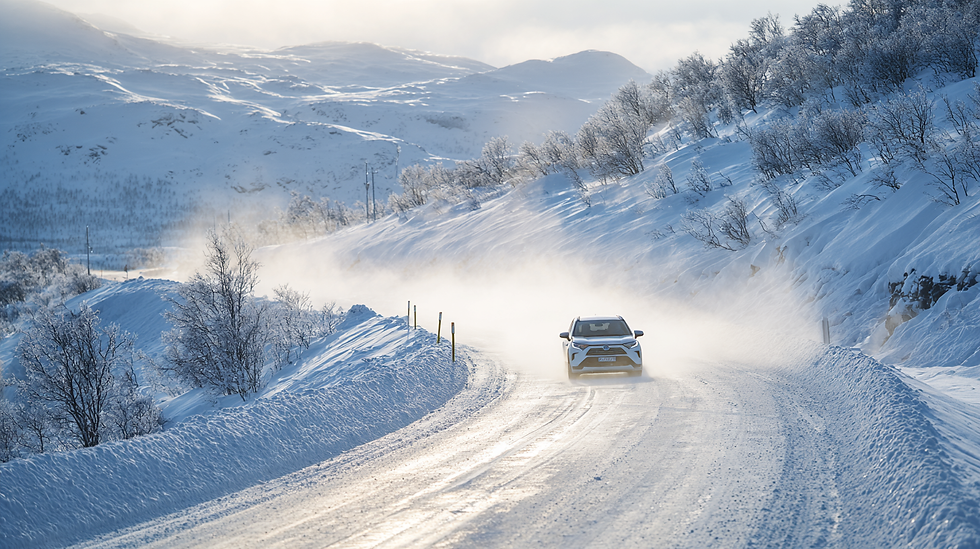
Why Rent a Car in Tromsø?
Renting a car in Tromsø isn’t just about getting from A to B — it’s about freedom. With your own vehicle, you can turn your Arctic trip into a personal adventure, stopping whenever a mountain view takes your breath away or when you spot reindeer by the roadside.
Freedom to Explore at Your Pace – Public transport in Tromsø is reliable within the city, but it won’t take you to remote fjords, hidden beaches, or the tiny fishing villages that make the region so special.
Aurora Chasing – The Northern Lights don’t wait for tour schedules. With a car, you can check the forecast and drive to wherever the skies are clearest, if you know what do do.
Access to Hidden Gems – From the dramatic Lyngen Alps to quiet, snow-covered coastal roads, many of Tromsø’s most stunning spots are unreachable without your own wheels.
Flexibility for Day Trips – You can visit nearby islands like Kvaløya or Sommarøy in a single day, with plenty of scenic stops along the way.
If you’re comfortable driving in winter conditions, renting a car transforms Tromsø from a beautiful city break into a full-scale Arctic road trip.
Why NOT Rent a Car in Tromsø?
While having your own car offers incredible freedom, self-driving in Tromsø isn’t for everyone — especially in winter. Here are some reasons you might want to skip the rental and let someone else take the wheel:
Challenging Winter Roads – Snow, ice, and strong winds are common from November to April. If you’ve never driven in such conditions, the learning curve can be steep — and mistakes can be costly.
Limited Daylight Hours – In mid-winter, Tromsø has only a few hours of twilight. You’ll spend much of your driving time in darkness, which can be tiring and stressful, especially on icy roads.
High Costs – Between rental fees, insurance, and Norway’s high fuel prices, hiring a car can be expensive. Tours can sometimes be more cost-effective for short stays.
Parking Challenges – City parking can be limited and pricey, and you’ll need to be mindful of snowplough routes to avoid fines.
Aurora Tours Do It Better – Local guides know the best viewing spots and weather patterns, and can often get you to clear skies faster than you could on your own.
If your main goal is to enjoy the scenery, photograph the Northern Lights, and relax without worrying about black ice or navigation, joining guided tours might be the more enjoyable — and safer — choice.

When and where to book car in Tromsø
Tromsø is a small city, and winter is peak season. If you’re visiting between November and March, book your car at least 2–3 months in advance to avoid high prices or sold-out vehicles.
Pick-up locations:
Tromsø Airport (TOS) – The most convenient choice, especially if you want to start exploring right after you land.
City centre offices – Good if you’re spending a few days in Tromsø first before heading out.
Choosing the right vehicle for winter conditions
Picking the right car is more than just deciding on size — in Tromsø’s winter, it’s about safety, comfort, and matching your vehicle to your travel plans.
Compact Cars – Best for short city stays or day trips close to Tromsø. They’re fuel-efficient, easy to park, and almost always equipped with proper winter tires (often studded). However, in deep snow or on steep, icy roads, they may lack the power and clearance of larger vehicles.
SUVs (Sport Utility Vehicles) – A popular choice for visitors who want extra comfort and stability. Higher ground clearance means less worry about snow build-up under the car, and their heavier build provides better road grip. SUVs also offer more space for luggage, winter gear, and photography equipment.
4WD (Four-Wheel Drive) or AWD (All-Wheel Drive) – If you’re planning to explore beyond the main roads — like heading into the Lyngen Alps, visiting remote fishing villages, or taking mountain passes — 4WD or AWD is a game-changer. These systems distribute power to all wheels, improving traction on ice, snow, and steep inclines.
Other factors to consider:
Transmission – Many rental cars in Norway are manual. If you’re only comfortable with automatic, make sure to request it when booking — and expect a slightly higher price.
Fuel Type – Diesel cars are common and more fuel-efficient for long drives. Petrol cars warm up a bit faster in cold weather, which can be more comfortable for short trips.
Size vs. Parking – Bigger isn’t always better. Tromsø’s streets and parking spaces can be narrow, especially when snowbanks line the roads. Choose a size you can confidently manoeuvre.
Check winter equipment in your car (non-negotiable!)
By Norwegian law, rental cars between 1 November and early April must be fitted with winter tires — usually studded for maximum grip on ice and packed snow. But safety in Arctic conditions goes beyond just tires. Before you leave the rental desk, check that your car includes:
Ice Scraper & Snow Brush – Essential for clearing frost and snow from windows before driving (it’s illegal to drive with limited visibility).
Winter-Grade Windshield Washer Fluid – Prevents freezing in sub-zero temperatures.
Heated Seats or Steering Wheel – Not essential, but a welcome luxury on frigid mornings.
Reflective Vest – Required by law in case you need to exit your vehicle on the roadside in low visibility or darkness. Keep it inside the car, not in the trunk. Also always wear it while stopping to observe the northern lights. You MUST BE visible for other drivers.
Warning Triangle – Mandatory in Norway for roadside emergencies, helping make your vehicle visible to other drivers.
Pro tip: Take a minute to familiarise yourself with where these items are stored in the car. In a snowstorm or on an icy roadside, you’ll be glad you don’t have to search.
Costs to Expect
Daily rates in winter – From €60–€120 for small cars; SUVs and 4WD cost more.
Fuel prices – Around €2 per litre.
Insurance – Consider extra coverage unless your travel insurance or credit card already covers rental cars.
Driving in Icy Conditions in Tromsø
Tromsø’s winter landscapes are breathtaking, but the roads can be challenging. Driving here isn’t about speed — it’s about skill, patience, and respect for Arctic conditions. The key is to adjust your driving style for snow, ice, and reduced visibility so that every journey is both safe and enjoyable.
Adjusting Your Speed and Distance
On icy roads, braking distances can be up to ten times longer than on dry asphalt. It’s essential to leave a much greater gap between you and the vehicle in front, giving yourself plenty of time to react. Slow down before corners and make any braking adjustments before turning, not while you’re in the bend. Accelerating gently helps prevent wheel spin and loss of control. In the Arctic, it’s far better to arrive late than to take unnecessary risks. However if you see local people give them a space to overtake you rather than driving behind you 20km per hour.
Braking and Skid Control
Most rental cars in Tromsø are equipped with ABS, but this doesn’t make them immune to the laws of physics. If you feel the car begin to skid, steer smoothly in the direction you want to go and avoid sudden steering or braking movements. For manual cars, downshifting before braking can help reduce speed more safely on slippery surfaces. Smooth, steady inputs are the best way to maintain control.
Recognising Road Conditions
Snow-covered roads often hide a layer of ice beneath them, and you might notice your steering feels lighter than usual when this happens. This is a sign to slow down immediately. Black ice — almost invisible — is most common in the early morning, late at night, or in shaded areas, as well as on bridges and coastal stretches. Keep an eye on roadside barriers and vegetation; frost or ice crystals can be a warning that slippery surfaces lie ahead.
Monitoring Weather and Road Closures
In Tromsø, the weather can shift dramatically within minutes. Clear skies can quickly turn into a whiteout, so it’s important to check the forecast regularly on Yr.no. For the most up-to-date road conditions and closures, the Statens vegvesen (Norwegian Public Roads Administration) website at vegvesen.no/trafikk is an invaluable resource. It provides live traffic updates, webcams, and alerts for the entire region. In severe weather, some mountain passes and coastal routes may close temporarily, so always have an alternative route in mind.
Even if your GPS shows the road as open, it’s wise to double-check with Statens vegvesen before setting out, especially if you’re heading into more remote areas. There’s nothing worse than driving for hours only to find your route blocked by a closed mountain pass.
If You End Up in a Ditch or Hit an Animal, Don’t Panic
Even the most careful drivers can slide off the road in icy conditions or encounter wildlife like reindeer or moose on rural roads. The first rule is stay calm — panicking will only make the situation worse. Keep your seatbelt fastened and turn on your hazard lights to alert other drivers. If it’s safe, try to gently back out using low gear or rock the car slowly forward and backward. Avoid spinning your wheels aggressively, as this can dig you in deeper.
If you’re stuck or cannot move safely, call for help. For emergencies:
Medical emergencies: 113
Police: 112
Fire department: 110
For road incidents or assistance from your rental company, have their 24-hour emergency line handy.
If you hit a reindeer or moose, it’s considered a traffic accident under Norwegian law. Call police (112) to report the incident, especially if the animal is injured or blocking traffic. The police will coordinate with local wildlife authorities to manage the situation safely. Even minor collisions can be serious, so always report them.
While waiting, stay warm and visible. Keep your reflective vest on if you leave the car, and use hazard lights or a flashlight to make yourself noticeable. Having a small shovel, traction aids (sand, cat litter, or car mats), and extra blankets can make waiting safer and increase your chances of freeing the vehicle.
Pro tip: Save these numbers before your trip:
Emergency Medical Services: 113
Police (general & wildlife incidents): 112
Fire Department: 110
Roadside Assistance / Statens vegvesen traffic info: +47 175
Conclusion: Should You Rent a Car or Trust a Local Guide?
Renting a car in Tromsø offers freedom, flexibility, and the chance to explore remote corners of the Arctic on your own schedule. With the right preparation, experience, and respect for winter conditions, it can be an unforgettable adventure. However, winter driving in Tromsø comes with challenges — icy roads, limited daylight, sudden weather changes, and the possibility of wildlife encounters.
If you’re not fully confident in your winter driving skills, or simply want to enjoy the scenery without the stress of navigating icy roads and unpredictable conditions, joining a local guided tour can be the smarter choice. Local guides know the area intimately, understand weather and road conditions, and can take you to the best viewpoints and Northern Lights spots safely and efficiently.
For a stress-free Arctic experience, check out these local tours that let you enjoy Tromsø’s winter landscapes while leaving the driving to experts.
Ultimately, the choice comes down to your comfort level, experience, and the type of adventure you want — whether it’s an independent road trip or a guided journey with insider knowledge.