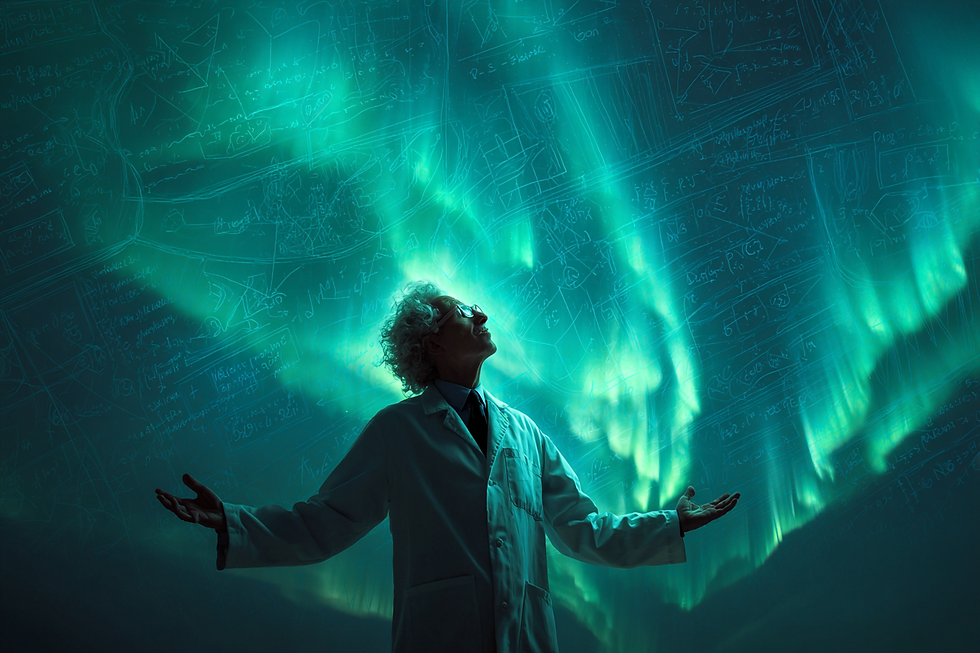


Northern Lights Photography - A Photographer’s Ultimate Guide
The Northern Lights, or Aurora Borealis, are one of nature’s most mesmerizing spectacles. For photographers, chasing this ethereal dance of light is both thrilling and challenging. Whether you’re a DSLR enthusiast or a smartphone user, capturing the magic requires preparation, the right equipment, and knowledge of technical settings. In this guide, I’ll walk you through the best practices to photograph the Northern Lights like a pro.

DSLR and Mirrorless Cameras
For professional photographers or enthusiasts aiming for high-quality images, a DSLR or mirrorless camera is your best tool. These cameras allow manual control over exposure, focus, and ISO—critical for capturing the delicate colors and movement of the aurora.
Recommended Cameras
Full-frame DSLRs: Canon EOS 5D Mark IV, Nikon D850, Sony A7 IV
Mirrorless options: Sony A7S III (exceptional in low light), Nikon Z6 II, Canon EOS R6
Lenses
Wide-angle lenses (14-24mm) capture more of the sky.
Fast lenses (f/2.8 or wider) allow more light in, essential for night photography.
Examples: Nikon 14-24mm f/2.8, Canon 16-35mm f/2.8, Sony 16-35mm f/2.8 GM
Settings for Northern Lights
Mode: Manual (M) for full control
Aperture: Wide open (f/2.8 or lower if possible)
ISO: Start around 1600-3200; adjust depending on light conditions and noise levels
Shutter speed: 5-25 seconds. Shorter for fast-moving aurora, longer for more light but risk of star trails
Focus: Manual focus on infinity; always double-check on live view
White Balance: Auto or set to 3500-4000K for natural colors
Accessories
Sturdy tripod: A must-have to avoid blur during long exposures
Remote shutter release or intervalometer: Prevents camera shake
Extra batteries: Cold weather drains power quickly
Lens heater or cloth: Prevents condensation or frost
Pro Tips
Scout your location in daylight for the best foregrounds—mountains, trees, or water reflections add depth.
Avoid light pollution; the darker the sky, the better the aurora pops.
Shoot in RAW format to preserve maximum dynamic range for editing.

Smartphones
Smartphones have evolved significantly and can now produce stunning Northern Lights photos, especially with night mode and computational photography. While they won’t fully replace a DSLR, they are convenient for travel and sharing instant captures.
Best Smartphones for Aurora Photography
iPhone 15 Pro / 16 Pro: Excellent low-light performance, Night mode, ProRAW
Google Pixel 8 Pro: Superb computational night photography
Samsung Galaxy S23 Ultra / S24 Ultra: Night mode and long exposure options
Tips and Settings
Use a tripod or phone mount: Even slight movements ruin long-exposure shots
Night mode: Most modern phones automatically adjust exposure up to 30 seconds
Manual apps: Use apps like ProCamera (iOS), Manual Camera / ProShot (Android) to set ISO, shutter speed, and focus
Focus: Tap and hold on infinity or the brightest star for clarity
Avoid zoom: Digital zoom reduces quality; capture wide to include the landscape
Accessories
Mini tripod or phone clamp: Stability is key
External lens attachments: Optional, like wide-angle lenses for better sky coverage
Power bank: Night photography drains smartphones quickly
Pro Tips
Use the phone’s timer or remote trigger to prevent shake.
Take multiple exposures and combine them in post-processing apps like Lightroom or Snapseed for better detail.
Include foreground elements—aurora alone can feel flat; mountains, trees, or lakes add scale.
Whether you’re wielding a professional DSLR or a modern smartphone, photographing the Northern Lights is all about preparation, patience, and understanding your equipment. A sturdy tripod, wide lenses, and the ability to manually control settings will dramatically improve your results. For smartphones, take advantage of night modes, manual apps, and stabilization accessories. Most importantly, embrace the experience—sometimes the best shots come when you step back and let the aurora dazzle you.