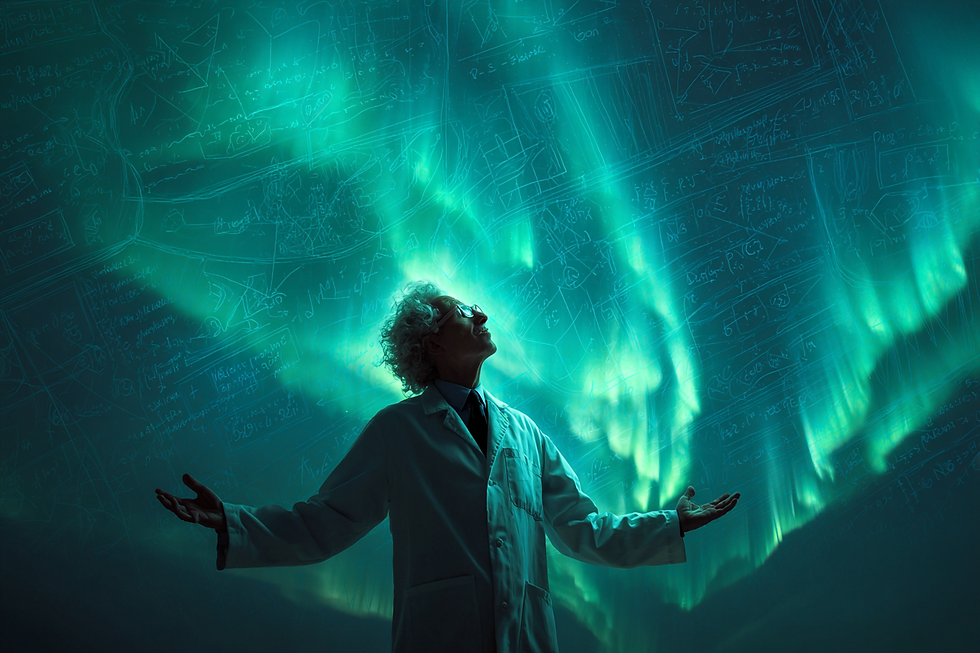


How to Hunt the Northern Lights: Ultimate Guidelines
Chasing the Northern Lights is one of the most magical experiences in Norway, but it takes a mix of preparation, knowledge, and patience. Tromsø, situated directly under the Aurora Oval, is one of the best places in the world to witness this phenomenon. Here’s everything you need to know to maximize your chances.

1. Timing Is Everything: When to Start and When to Go
Many first-timers make the mistake of expecting the aurora to appear like clockwork. The truth is, the Northern Lights can be unpredictable. They can appear anytime between late afternoon and early morning, but the prime window in Tromsø usually starts around 6 PM and can continue until 2–3 AM.
Patience is key. The aurora may appear as soon as you leave your accommodation—or it may take hours. You might be tempted to give up, but the best displays often happen late at night. Bring snacks, a thermos of hot tea or coffee, and settle in for a long, magical vigil.
Best Months
September to April: These months offer the longest nights and the best conditions.
Peak season: November to February gives the darkest skies, but also the coldest conditions, so prepare accordingly.
2. Understanding the KP Index (and Why It Isn’t Everything)
Many travelers rely on the KP index to predict aurora activity. The KP index is a scale from 0 to 9 that measures geomagnetic activity globally. A higher number indicates a stronger geomagnetic storm, which theoretically could produce more intense auroras.
However, in Tromsø, the KP index is not always the most relevant predictor. This is because Tromsø is located at a very high latitude, within the auroral oval, which means even a low KP index can produce visible Northern Lights. Instead of fixating on KP numbers:
Watch local aurora forecasts that combine cloud cover, precipitation, and geomagnetic activity.
Look at the short-term weather forecasts, especially cloud coverage. Clear skies are far more important than KP 5 vs KP 3 in Tromsø.
3. Apps and Tools for Aurora Chasing
Technology can help you track the Northern Lights, but it’s important to use reliable tools:
Aurora Forecast (by the Geophysical Institute at the University of Alaska): Offers real-time probability maps.
My Aurora Forecast & Alerts: Provides notifications when auroras are likely visible near your location.
YR.no or Storm.no: Norwegian weather apps with detailed cloud coverage maps, which are crucial.
⚠️ Warning: Avoid apps that rely solely on KP index predictions. Many generic apps overpromise and can lead you to clear skies with no auroras.
4. Where to Go: Choosing the Best Spots
You have two main options in Tromsø: guided tours or self-driven excursions:
Guided Tours – Highly Recommended
Guided tours are the easiest way to maximize your chances of seeing the aurora. Professional guides:
Know hidden spots with minimal light pollution.
Constantly monitor weather and aurora forecasts to move to clearer skies.
Provide photography advice and often include warm shelters or campfires.
Popular options include small minibus tours, large coach tours, and photography-focused trips. As a bonus, guides handle all the logistics, letting you focus purely on enjoying the experience.
Rental Car / Self-Drive
If you’re adventurous and comfortable driving in winter conditions:
You can explore independently, giving you full flexibility.
Use cloud coverage maps and GPS to chase clear skies.
Risks: icy roads, unpredictable weather, and the need to navigate in the dark.
Pro tip: Even locals often prefer guided tours over self-drive because the guides have decades of experience reading the skies. If this is your first aurora chase, consider investing in a guided tour—it’s worth every krone.

5. Equipment and Clothing: Surviving the Arctic Night
A night outside in Tromsø during aurora season is not just a photo opportunity—it’s an endurance challenge. Proper preparation is essential:
Clothing:
Base layer: thermal top and bottom.
Mid-layer: fleece or wool sweater.
Outer layer: insulated, windproof, and waterproof jacket and pants.
Accessories: hat, scarf, thermal gloves, and thick socks.
Boots: insulated, waterproof, and comfortable for standing or walking on snow.
Other Essentials:
Headlamp with red light (to preserve night vision).
Tripod for photography.
Thermos with hot drinks and high-energy snacks.
Hand warmers and foot warmers for extended waits.
Camera with manual settings, wide-angle lens, and extra batteries (cold drains batteries quickly).
6. Flexibility Is Key
The aurora doesn’t follow a schedule. Be ready to:
Move to different locations on short notice.
Change plans if clouds roll in or storms appear.
Stay out late—sometimes the most spectacular displays happen close to 2 AM.
7. Making the Most of Your Experience
Avoid city lights; even small towns can diminish visibility.
Consider combining your aurora hunt with other activities: dog sledding, snowmobiling, or Sami cultural experiences.
Remember, the Northern Lights are natural phenomena—sometimes you might get lucky with a spectacular show, other times a faint glow. Every chase is part of the adventure.

Hunting the Northern Lights is as much about the journey as it is about the destination. With Tromsø as your base, the right clothing, a flexible plan, reliable apps, and preferably a guided tour, you significantly increase your chances of witnessing this magical natural light show. Patience, preparation, and persistence are your greatest allies.
So pack your thermos, dress in layers, and get ready to chase the aurora across the Arctic skies. The Northern Lights aren’t just a spectacle—they’re a once-in-a-lifetime experience that rewards those willing to wait, explore, and embrace the cold for a glimpse of pure magic.